Breaking News

Building Stronger Connections in Our Community Together

The Power of Community: How Connections Shape Our Lives

Have you ever found yourself chatting with a neighbor over the fence or sharing a laugh with a barista at your local coffee shop? Those little moments may seem trivial, but they’re actually the building blocks of a strong community. Our neighborhoods, online groups, and even our families play a crucial role in defining who we are. Let’s dive into some heartwarming real-world stories and practical insights about the power of community and the relationships that make our lives richer.

Subsection 1.1: The Neighborhood Potluck

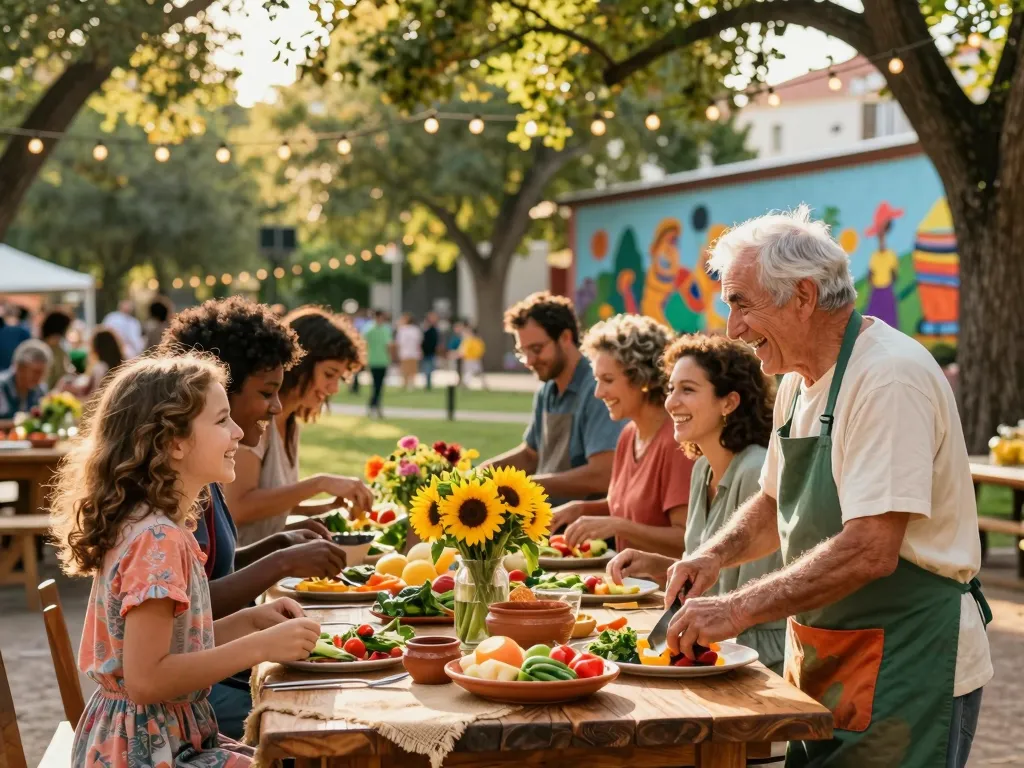
Last summer, my neighborhood organized a potluck that changed the dynamics of our community. At first, I was hesitant to join; after all, mingling with strangers wasn’t exactly my forte. However, I decided to bring my famous potato salad on a whim. To my surprise, this was the best decision I could have made!

As I set up my dish, I struck up conversations with neighbors I had only waved at before. The kids played together, laughter filled the air, and we shared stories over a wide variety of food. Later that night, I left not just with a full belly but with new friendships and a sense of belonging. Potlucks are a great way to break the ice and can happen in any neighborhood—just imagine the joy of discovering that your neighbor makes a killer lasagna!

Subsection 1.2: The Online Support Group

In today’s digital age, communities aren’t confined to geographical boundaries. There’s an incredible online support group for new parents that I stumbled upon while navigating the wild ride of motherhood. The group is filled with parents sharing everything from diaper disasters to sleep deprivation.

One member posted about her struggles with postpartum depression, and the outpouring of support was nothing short of spectacular. It reminded me that while physical communities are important, virtual communities can provide essential emotional support. These platforms allow us to connect with those who truly understand what we’re going through, regardless of distance.

Subsection 1.3: Volunteering: Building Bonds Through Service

Volunteering is one of the most rewarding ways to connect with your community. A friend of mine started helping out at a local animal shelter, and she quickly became part of a tight-knit group of fellow volunteers. They bond over the shared joy of rescuing pets and often plan outings together outside of their volunteer work.

Service creates a unique sense of camaraderie. Whether you’re cleaning up a local park or cooking meals at a shelter, you’re doing meaningful work while forming connections with others who care about the same issues. Plus, volunteering can provide a sense of purpose that enriches your life.

The Magic of Shared Experiences

There’s something undeniably magical about shared experiences. They weave the fabric of our communities, creating bonds that may last a lifetime. From local festivals to spontaneous gatherings, let’s explore how these moments can unite us.

Subsection 2.1: The Town Fair: A Celebration of Togetherness

Every year, our town hosts a fall fair, and let me tell you, it’s the event of the year! Families set up booths selling homemade crafts, local bakeries bring their best treats, and kids eagerly anticipate the hayrides and games. This is where our community truly shines.

During one particular fair, I volunteered to help with the games, and it was here that I met Samantha, a single mom new to the area. We bonded over her son’s relentless enthusiasm for the ring toss and ended up chatting about life, parenting, and our hopes for the future. By the end of the day, we exchanged numbers, and now our kids are best buds! These events can forge connections in the most unexpected ways.

Subsection 2.2: Book Clubs: More Than Just Reading

If you think book clubs are just about discussing novels, think again! My local book club is a rich tapestry of personalities, where sharing stories is just as important as discussing the plot twists of our latest read. Each month, we dive into a new book, but the real magic happens when we gather to share our life stories and experiences related to the themes.

One member opened up about her struggle with grief during a discussion on a novel centered around loss, prompting a heartfelt dialogue. It became a safe space for vulnerability and connection, illustrating that literature can bring people together in profound ways. If you haven’t tried starting or joining a book club, I highly recommend it!

Subsection 2.3: Community Art Projects

Have you ever seen a mural that brightens up a dull street? Community art projects are a fantastic way to beautify public spaces while fostering collaboration. In my neighborhood, we came together to paint a mural that represents our local culture, and it sparked creativity and pride among residents.

During the process, I met artists, students, and retirees, all of whom brought their unique perspectives to the project. The act of creating art in a communal space not only beautifies the area but also fosters a sense of ownership and belonging. Next time you see an opportunity for an art project, consider jumping in—it’s a fun way to meet neighbors and express your community’s values.

Barriers to Connection: Understanding Community Challenges

No community is without its challenges. While we may have beautiful stories about connection, we also face barriers that can hinder our sense of belonging. Recognizing and addressing these challenges is crucial for fostering a more inclusive community.

Subsection 3.1: Cultural Differences: Celebrating Diversity

In our increasingly globalized world, cultural differences can sometimes create barriers to connection. When I moved to a multicultural neighborhood, I was taken aback by the variety of traditions and lifestyles. At first, I felt like an outsider among these rich cultural tapestries.

However, I soon learned the beauty of these differences through open dialogues and community events celebrating each culture. I attended a Diwali festival, where I learned about the significance of lights and family gatherings. The key takeaway? Instead of shying away from differences, embracing and celebrating them can forge deeper connections within our community.

Subsection 3.2: The Loneliness Epidemic

Surprisingly, many people in our communities feel isolated, even in a crowd. A study revealed that loneliness is a growing epidemic, affecting people of all ages. I remember chatting with an elderly neighbor who expressed how disconnected she felt despite living in a bustling area.

To combat this, I started a simple initiative: regular coffee mornings for neighbors. We’d gather at a local café to share stories and laughter. It turned out that many people were craving connection, and those mornings transformed into a cherished routine. If you know someone who may be feeling lonely, a simple invitation can go a long way in bridging that gap.

Subsection 3.3: Economic Disparities: Bridging the Gap

Economic disparities can create unintentional divides within communities. It’s easy to overlook these challenges when you’re comfortable in your bubble. I once volunteered at a food bank and was struck by the stories of resilience I encountered among individuals facing economic hardships.

These experiences transformed my perspective on community and privilege. It’s crucial to engage with and support local initiatives that address economic disparities. Whether it’s donating time, resources, or simply spreading awareness, every small action helps create a more equitable community.

Innovative Solutions: Building Stronger Communities

Every challenge presents an opportunity for innovation and creativity. Communities across the globe are finding unique solutions to enhance connection, collaboration, and support. Let’s explore some inspiring initiatives that are making a difference.

Subsection 4.1: Time Banking: A New Currency of Connection

Imagine being able to exchange your skills for services without using money. That’s the concept behind time banking! In my town, we have a time bank where members offer skills—like tutoring or gardening—in exchange for time credits. Need help with your website? Find someone who needs help with their garden and trade services!

This innovative model fosters a sense of community while providing essential support. It breaks down barriers of economic inequality and encourages collaboration. If you’re interested in establishing or joining a time bank, check local community centers or online platforms that facilitate such exchanges.

Subsection 4.2: Community Gardens: Digging Deeper Together

Community gardens are sprouting up everywhere, and they’re not just about growing vegetables—they’re about cultivating relationships! One of my favorite places is the community garden where I’ve met neighbors from all walks of life, united by a love for gardening.

We share seeds, tips, and even recipes. Working together to cultivate the land fosters teamwork, and the joy of harvesting fresh produce creates a deep sense of accomplishment and community spirit. If you’re looking for a way to connect with your neighborhood, consider starting or joining a community garden!

Subsection 4.3: Skill-Sharing Workshops: Learn While You Connect

Imagine gathering with your neighbors to learn something new like pottery, cooking, or even coding! Skill-sharing workshops have become a hit in many communities. I attended one where a local chef taught us how to make authentic Italian pasta from scratch.

It was a fantastic experience that not only equipped us with new culinary skills but also allowed everyone to bond over food. These workshops can be organized at community centers, libraries, or even in someone’s backyard. They’re a great way to learn, share, and build connections while having fun!

Creating Lasting Impact: The Role of Leadership in Communities

Strong leadership can make a monumental difference in shaping a community. From grassroots organizers to local officials, the right leadership fosters connection, engagement, and empowerment. Let’s discuss how effective leadership plays a role in community development.

Subsection 5.1: Grassroots Movements: Voices of Change

Grassroots movements are often the heartbeat of community change. I remember attending a town hall meeting where community members passionately discussed issues affecting our neighborhood. It was empowering to witness people rallying together to advocate for better public transportation.

Grassroots leadership allows individuals to voice their concerns and push for change. If you’re passionate about a cause, consider becoming involved in local advocacy efforts. Whether it’s attending meetings or starting a petition, your voice matters in shaping your community!

Subsection 5.2: Mentorship Programs: Nurturing Future Leaders

Mentorship is a powerful tool in building community leadership. In my city, there’s a mentorship program connecting young individuals with experienced professionals. I had the privilege of mentoring a high school student interested in journalism, and it became a rewarding experience for both of us.

These programs not only empower youth but also foster intergenerational connections. As mentors share their experiences and insights, they inspire the next generation to become active and engaged community members. If you have expertise in a specific area, consider mentoring someone in your community!

Subsection 5.3: Community Forums: Bridging the Gap Between Leaders and Residents

Creating spaces for open dialogue between community leaders and residents is essential for fostering trust and collaboration. In my town, we host quarterly community forums where residents can raise concerns and share ideas with local officials.

These forums have not only improved communication but have also empowered residents to take an active role in decision-making processes. If your community doesn’t have something similar, advocate for starting one! A simple open forum can bridge gaps and create a more engaged and informed community.
Building Stronger Connections in Our Community Together

The Power of Community: How Connections Shape Our Lives

Have you ever found yourself chatting with a neighbor over the fence or sharing a laugh with a barista at your local coffee shop? Those little moments may seem trivial, but they’re actually the building blocks of a strong community. Our neighborhoods, online groups, and even our families play a crucial role in defining who we are. Let’s dive into some heartwarming real-world stories and practical insights about the power of community and the relationships that make our lives richer.

Subsection 1.1: The Neighborhood Potluck

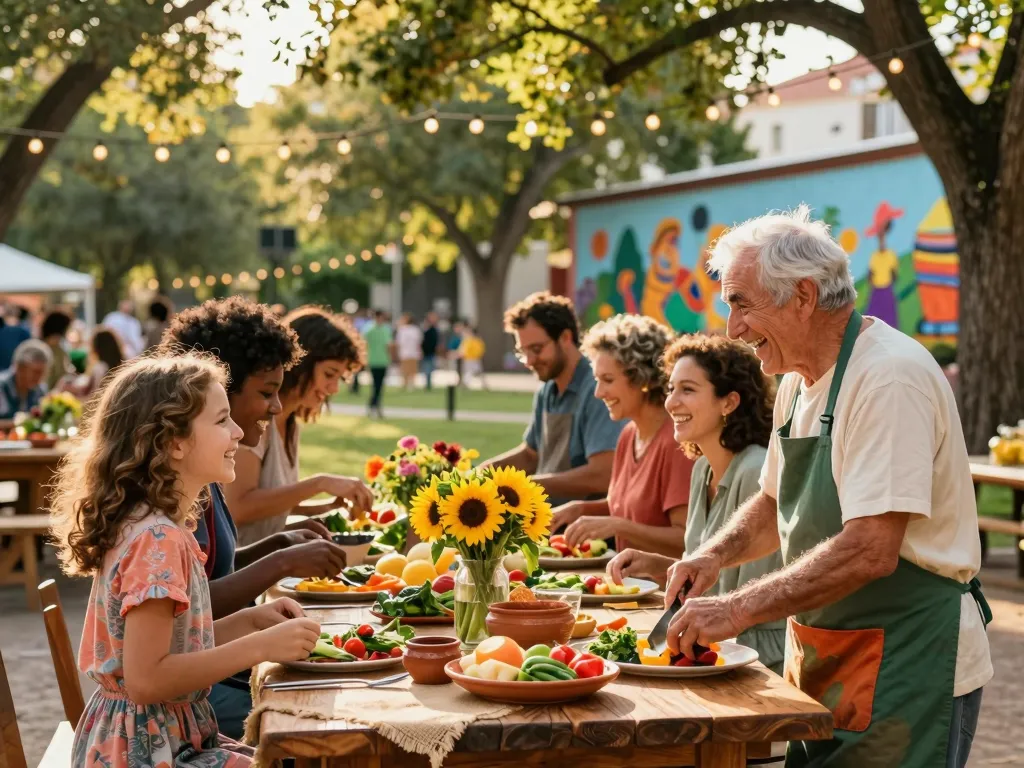
Last summer, my neighborhood organized a potluck that changed the dynamics of our community. At first, I was hesitant to join; after all, mingling with strangers wasn’t exactly my forte. However, I decided to bring my famous potato salad on a whim. To my surprise, this was the best decision I could have made!

As I set up my dish, I struck up conversations with neighbors I had only waved at before. The kids played together, laughter filled the air, and we shared stories over a wide variety of food. Later that night, I left not just with a full belly but with new friendships and a sense of belonging. Potlucks are a great way to break the ice and can happen in any neighborhood—just imagine the joy of discovering that your neighbor makes a killer lasagna!

Subsection 1.2: The Online Support Group

In today’s digital age, communities aren’t confined to geographical boundaries. There’s an incredible online support group for new parents that I stumbled upon while navigating the wild ride of motherhood. The group is filled with parents sharing everything from diaper disasters to sleep deprivation.

One member posted about her struggles with postpartum depression, and the outpouring of support was nothing short of spectacular. It reminded me that while physical communities are important, virtual communities can provide essential emotional support. These platforms allow us to connect with those who truly understand what we’re going through, regardless of distance.

Subsection 1.3: Volunteering: Building Bonds Through Service

Volunteering is one of the most rewarding ways to connect with your community. A friend of mine started helping out at a local animal shelter, and she quickly became part of a tight-knit group of fellow volunteers. They bond over the shared joy of rescuing pets and often plan outings together outside of their volunteer work.

Service creates a unique sense of camaraderie. Whether you’re cleaning up a local park or cooking meals at a shelter, you’re doing meaningful work while forming connections with others who care about the same issues. Plus, volunteering can provide a sense of purpose that enriches your life.

The Magic of Shared Experiences

There’s something undeniably magical about shared experiences. They weave the fabric of our communities, creating bonds that may last a lifetime. From local festivals to spontaneous gatherings, let’s explore how these moments can unite us.

Subsection 2.1: The Town Fair: A Celebration of Togetherness

Every year, our town hosts a fall fair, and let me tell you, it’s the event of the year! Families set up booths selling homemade crafts, local bakeries bring their best treats, and kids eagerly anticipate the hayrides and games. This is where our community truly shines.

During one particular fair, I volunteered to help with the games, and it was here that I met Samantha, a single mom new to the area. We bonded over her son’s relentless enthusiasm for the ring toss and ended up chatting about life, parenting, and our hopes for the future. By the end of the day, we exchanged numbers, and now our kids are best buds! These events can forge connections in the most unexpected ways.

Subsection 2.2: Book Clubs: More Than Just Reading

If you think book clubs are just about discussing novels, think again! My local book club is a rich tapestry of personalities, where sharing stories is just as important as discussing the plot twists of our latest read. Each month, we dive into a new book, but the real magic happens when we gather to share our life stories and experiences related to the themes.

One member opened up about her struggle with grief during a discussion on a novel centered around loss, prompting a heartfelt dialogue. It became a safe space for vulnerability and connection, illustrating that literature can bring people together in profound ways. If you haven’t tried starting or joining a book club, I highly recommend it!

Subsection 2.3: Community Art Projects

Have you ever seen a mural that brightens up a dull street? Community art projects are a fantastic way to beautify public spaces while fostering collaboration. In my neighborhood, we came together to paint a mural that represents our local culture, and it sparked creativity and pride among residents.

During the process, I met artists, students, and retirees, all of whom brought their unique perspectives to the project. The act of creating art in a communal space not only beautifies the area but also fosters a sense of ownership and belonging. Next time you see an opportunity for an art project, consider jumping in—it’s a fun way to meet neighbors and express your community’s values.

Barriers to Connection: Understanding Community Challenges

No community is without its challenges. While we may have beautiful stories about connection, we also face barriers that can hinder our sense of belonging. Recognizing and addressing these challenges is crucial for fostering a more inclusive community.

Subsection 3.1: Cultural Differences: Celebrating Diversity

In our increasingly globalized world, cultural differences can sometimes create barriers to connection. When I moved to a multicultural neighborhood, I was taken aback by the variety of traditions and lifestyles. At first, I felt like an outsider among these rich cultural tapestries.

However, I soon learned the beauty of these differences through open dialogues and community events celebrating each culture. I attended a Diwali festival, where I learned about the significance of lights and family gatherings. The key takeaway? Instead of shying away from differences, embracing and celebrating them can forge deeper connections within our community.

Subsection 3.2: The Loneliness Epidemic

Surprisingly, many people in our communities feel isolated, even in a crowd. A study revealed that loneliness is a growing epidemic, affecting people of all ages. I remember chatting with an elderly neighbor who expressed how disconnected she felt despite living in a bustling area.

To combat this, I started a simple initiative: regular coffee mornings for neighbors. We’d gather at a local café to share stories and laughter. It turned out that many people were craving connection, and those mornings transformed into a cherished routine. If you know someone who may be feeling lonely, a simple invitation can go a long way in bridging that gap.

Subsection 3.3: Economic Disparities: Bridging the Gap

Economic disparities can create unintentional divides within communities. It’s easy to overlook these challenges when you’re comfortable in your bubble. I once volunteered at a food bank and was struck by the stories of resilience I encountered among individuals facing economic hardships.

These experiences transformed my perspective on community and privilege. It’s crucial to engage with and support local initiatives that address economic disparities. Whether it’s donating time, resources, or simply spreading awareness, every small action helps create a more equitable community.

Innovative Solutions: Building Stronger Communities

Every challenge presents an opportunity for innovation and creativity. Communities across the globe are finding unique solutions to enhance connection, collaboration, and support. Let’s explore some inspiring initiatives that are making a difference.

Subsection 4.1: Time Banking: A New Currency of Connection

Imagine being able to exchange your skills for services without using money. That’s the concept behind time banking! In my town, we have a time bank where members offer skills—like tutoring or gardening—in exchange for time credits. Need help with your website? Find someone who needs help with their garden and trade services!

This innovative model fosters a sense of community while providing essential support. It breaks down barriers of economic inequality and encourages collaboration. If you’re interested in establishing or joining a time bank, check local community centers or online platforms that facilitate such exchanges.

Subsection 4.2: Community Gardens: Digging Deeper Together

Community gardens are sprouting up everywhere, and they’re not just about growing vegetables—they’re about cultivating relationships! One of my favorite places is the community garden where I’ve met neighbors from all walks of life, united by a love for gardening.

We share seeds, tips, and even recipes. Working together to cultivate the land fosters teamwork, and the joy of harvesting fresh produce creates a deep sense of accomplishment and community spirit. If you’re looking for a way to connect with your neighborhood, consider starting or joining a community garden!

Subsection 4.3: Skill-Sharing Workshops: Learn While You Connect

Imagine gathering with your neighbors to learn something new like pottery, cooking, or even coding! Skill-sharing workshops have become a hit in many communities. I attended one where a local chef taught us how to make authentic Italian pasta from scratch.

It was a fantastic experience that not only equipped us with new culinary skills but also allowed everyone to bond over food. These workshops can be organized at community centers, libraries, or even in someone’s backyard. They’re a great way to learn, share, and build connections while having fun!

Creating Lasting Impact: The Role of Leadership in Communities

Strong leadership can make a monumental difference in shaping a community. From grassroots organizers to local officials, the right leadership fosters connection, engagement, and empowerment. Let’s discuss how effective leadership plays a role in community development.

Subsection 5.1: Grassroots Movements: Voices of Change

Grassroots movements are often the heartbeat of community change. I remember attending a town hall meeting where community members passionately discussed issues affecting our neighborhood. It was empowering to witness people rallying together to advocate for better public transportation.

Grassroots leadership allows individuals to voice their concerns and push for change. If you’re passionate about a cause, consider becoming involved in local advocacy efforts. Whether it’s attending meetings or starting a petition, your voice matters in shaping your community!

Subsection 5.2: Mentorship Programs: Nurturing Future Leaders

Mentorship is a powerful tool in building community leadership. In my city, there’s a mentorship program connecting young individuals with experienced professionals. I had the privilege of mentoring a high school student interested in journalism, and it became a rewarding experience for both of us.

These programs not only empower youth but also foster intergenerational connections. As mentors share their experiences and insights, they inspire the next generation to become active and engaged community members. If you have expertise in a specific area, consider mentoring someone in your community!

Subsection 5.3: Community Forums: Bridging the Gap Between Leaders and Residents

Creating spaces for open dialogue between community leaders and residents is essential for fostering trust and collaboration. In my town, we host quarterly community forums where residents can raise concerns and share ideas with local officials.

These forums have not only improved communication but have also empowered residents to take an active role in decision-making processes. If your community doesn’t have something similar, advocate for starting one! A simple open forum can bridge gaps and create a more engaged and informed community.